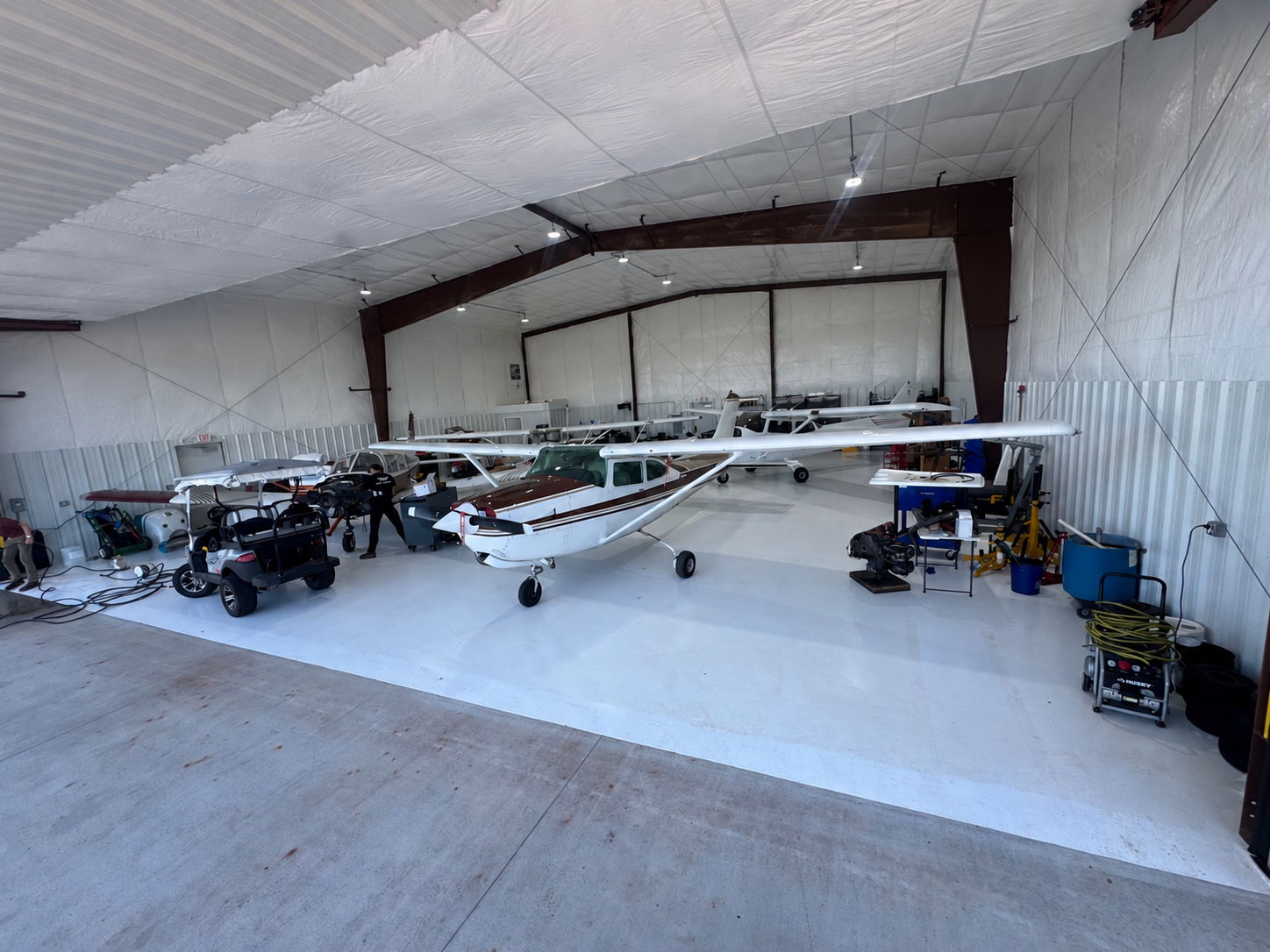
Aircraft Modifications at KTTA
Plan the upgrade. Get the details right.
Total Aircraft brings hands-on installation experience and practical parts knowledge to aircraft upgrades at Raleigh Executive Jetport (KTTA) in Sanford, North Carolina.
From cockpit instruments and lighting to fuel-system and oil-cooling changes, we help you explore options for your aircraft, goals and budget. Aircraft eligibility, installation requirements and airworthiness come first.
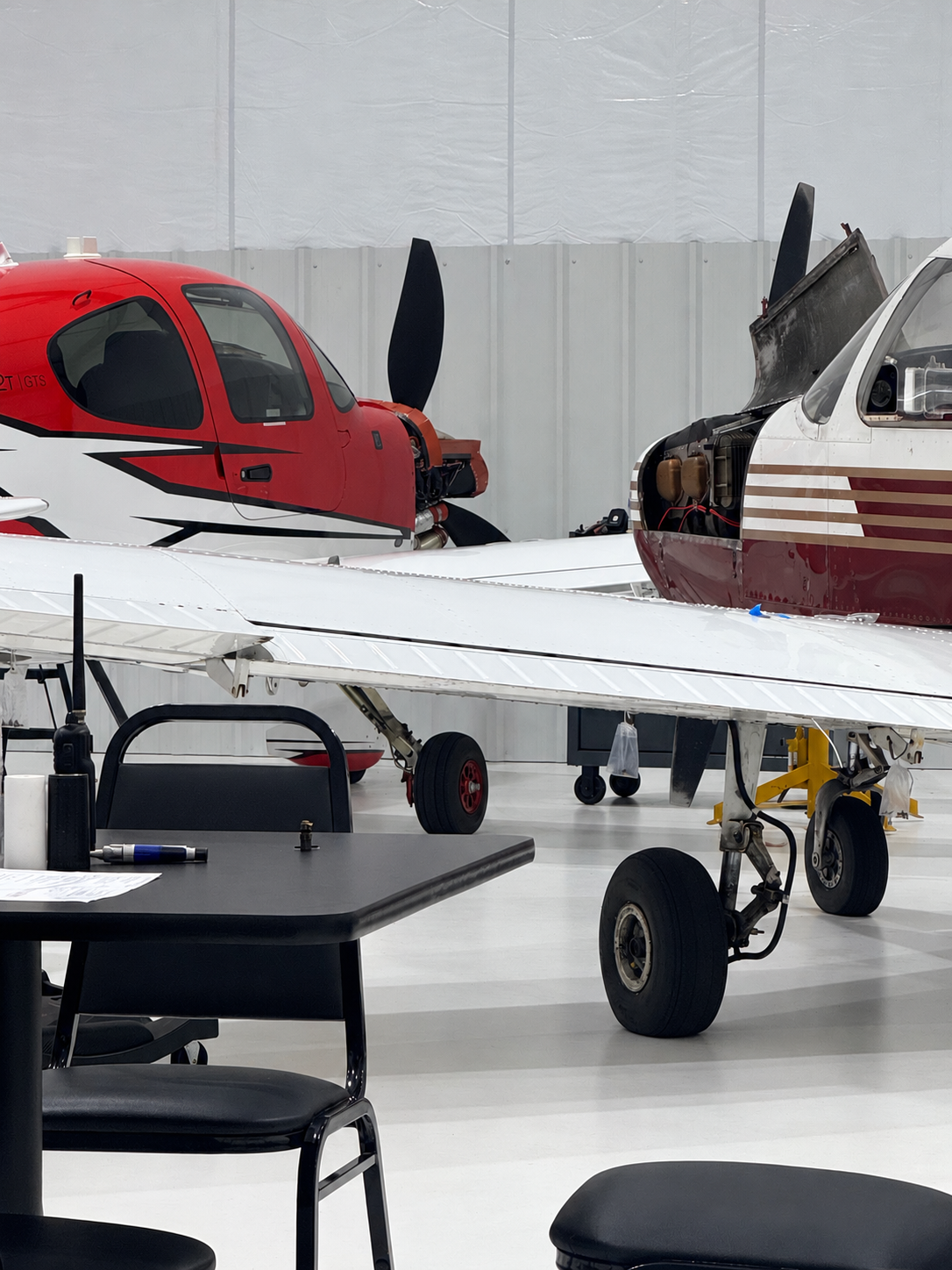
STCs, major alterations and minor alterations
STC installations
A Supplemental Type Certificate (STC) is FAA approval of a change to an aircraft or other aeronautical product's type design. An installation must be applicable to the particular aircraft and follow the supporting instructions and limitations. STC-holder permission and installation data must also be addressed before work begins.
Major alterations
Major alterations can significantly affect airworthiness-related characteristics, or involve work outside accepted practices or elementary operations. The approval basis, installation data and required records must be established for the specific project. FAA Form 337 is used when required for the alteration; other records may include weight-and-balance revisions, flight manual supplements and instructions for continued airworthiness.
Minor alterations
A minor alteration is an alteration that does not meet the FAA definition of a major alteration. It still requires appropriate technical data, proper installation and a maintenance-record entry. A change is not automatically minor because the part is small or the installation appears simple.
The classification and documentation depend on the aircraft and the proposed change. An STC is design approval, not a substitute for evaluating and documenting the installation.
Work we have completed
These examples highlight work completed by Total Aircraft. They show specific installations, not a promise that the same equipment is eligible for every aircraft.
Dual Garmin G5 installation
Completed a dual Garmin G5 installation. The work included weighing the aircraft and updating its weight-and-balance records, with a Form 337 reference in the installation record.
D’Shannon fuel tip tanks
Completed D’Shannon fuel tip tank installations under STC. Aircraft eligibility and installation requirements are reviewed for each project.
Oil-cooler installation
Installed a Steve's Aircraft oil cooler on a Cessna 172F under STC SA01768SE and the applicable installation instructions.
Fuel-strainer installation
Replaced the factory fuel strainer on a Piper PA-28-181 with an SA3-00 fuel strainer under STC SA01026SE.
Wingtip and LED landing-light work
Replaced the wingtip assemblies and installed an LED landing light in the right wingtip of a Piper PA-28-181. An operational check was completed after installation.
ADs and alteration paperwork: what owners should know
What is an Airworthiness Directive?
An Airworthiness Directive (AD) is a legally enforceable FAA rule addressing an unsafe condition in an aircraft, engine, propeller or appliance. Applicability depends on the wording of the AD, including the affected model, configuration and sometimes the installed part number. Looking only at the airframe model can miss requirements affecting installed equipment.
Each AD sets its own compliance requirements and timing. Some call for a one-time action; others require recurring work. An upgrade does not automatically eliminate an AD or reset its compliance interval. We review the relevant requirements with the proposed installation and identify the work and records needed. The owner or operator remains responsible for keeping the aircraft in compliance.
What does Form 337 do?
FAA Form 337 records a major repair or major alteration. The record identifies the aircraft, describes the work and its supporting data, and includes the applicable certifications and approval for return to service. For a major alteration, the paperwork must be handled according to Part 43, Appendix B, including providing the owner's copy and submitting the required copy to the FAA.
The form does not, by itself, make a proposed modification approved or an aircraft airworthy. The project still needs the appropriate approval basis, technical data, installation, inspections and authorized return-to-service approval. An applicable STC may provide design approval; other projects may need a different approval path. We establish what applies before committing to the job rather than promising approval for every proposed change.
What records go with an upgrade?
Depending on the installation, the records may include a maintenance entry, Form 337, revised weight-and-balance information, an equipment-list change, a flight manual supplement and instructions for continued airworthiness. Those documents help the next owner, pilot or mechanic understand the aircraft's configuration and continuing maintenance needs.
Our completed G5 project is one practical example: the work record references the STC and Form 337, and the aircraft was weighed to update its weight-and-balance records. Paperwork should describe the work actually completed, not just the equipment purchased.
FAA references
Supplemental Type Certificates
STC installation and holder permission
14 CFR 1.1: Major and minor alteration definitions
14 CFR Part 43, Appendix B: Recording major alterations
Tell us about your project
On the Contact Us form, enter your name, email and aircraft make/model. Under Requested service, choose “Other maintenance or repairs.” Use Additional details to describe the modification and any equipment or STC information you already have.
You can also add a phone number, tail number, preferred timeframe or relevant supporting file.
Your request is not a confirmed appointment. Scope, aircraft eligibility, required documentation and availability must be confirmed with the shop before work is scheduled.